Memorials for Community Leagues
Capturing the Spirit of the Sidelines: Why Leagues Need a Digital Archive
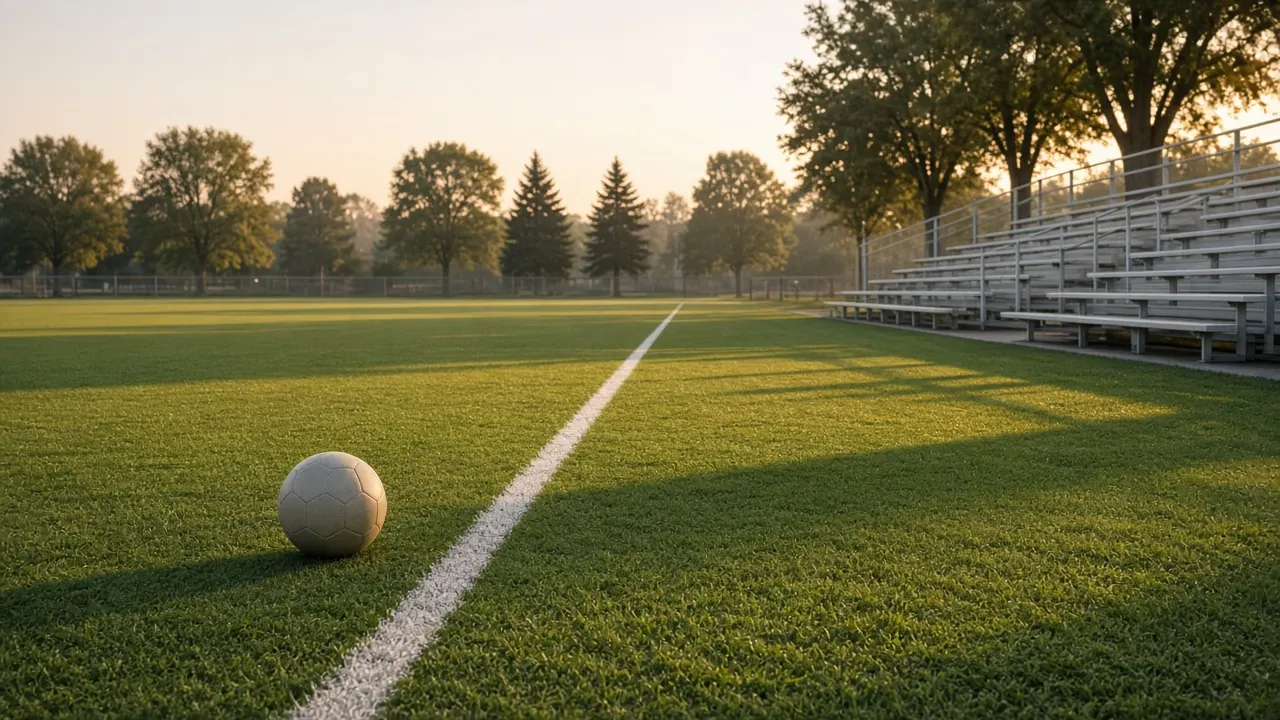
The smell of freshly cut grass, the roar of the crowd on a Saturday afternoon, the shared exhaustion after a tough game—these are the sensory details that define community sports. But what happens to those memories when the season ends, the league folds, or the founding members move away? The physical trophies and faded team photos are only fragments. The true lifeblood of a local league is its institutional memory: the shared inside jokes, the legendary coach’s halftime speech, the rivalry that defined a decade, and the camaraderie built over years of shared effort. Simply archiving a roster is insufficient; the goal is to build a digital monument to the culture itself.
Today, the most immediate action you can take is to institute a "Memory Champion" role within your league’s leadership. This person—who does not have to be tech-savvy but must be deeply invested in the league's history—is tasked with proactively collecting stories, not just statistics. Instead of waiting for a dedicated memorial project, the Memory Champion should start by creating a simple, shared Google Drive folder or private Facebook group dedicated solely to "League Lore." This initial, low-effort step of centralizing anecdotal evidence—photos with accompanying stories, video clips of celebrations, or even transcribed coach quotes—is the foundational bedrock upon which a comprehensive online memorial will be built.
Structuring the Narrative: Beyond the Scoreboard
A mistake many organizers make is treating the memorial like a digital scrapbook—a random assortment of photos and names. To create something truly impactful, you must treat it like a historical narrative. The memorial needs structure, guiding the visitor through the story of the league. This means segmenting the content into thematic areas that resonate emotionally, rather than just chronologically.
Consider dividing the memorial into distinct, navigable "chapters." These chapters could include: "The Golden Age of the 1990s," "The Rivalry: Northwood vs. Elmwood," "Legends of the Bench," or "The Coaches' Corner." Each chapter requires a different type of content. For instance, the "Coaches' Corner" shouldn't just list names; it should feature transcribed advice, photographs of the coaches interacting with players, and perhaps a short video testimonial from a former player discussing the most valuable lesson learned from that coach. This deep-dive approach elevates the memorial from a simple record to a genuine historical resource.
Scenario Example: Instead of creating a page titled "2018 Season," create a page titled "The Year We Beat the Odds: The 2018 Championship Run." This narrative structure forces the inclusion of the dramatic moments—the near-miss, the key play, the emotional halftime speech—making the visitor feel they are reliving the experience, not just reading about it.
The Art of Collection: Gathering the Intangibles
The hardest part of building an online memorial is gathering the intangible assets—the memories, the emotions, and the unwritten rules of the league. These are the things that give the community its unique flavor. You cannot ask people to simply "remember things"; you must give them specific prompts to trigger those memories.
Start with a "Memory Prompt Campaign." Send out a series of targeted requests to the community. For example: "We are looking for the most embarrassing moment from a league game," or "Who remembers the year the mascot costume got stuck in the goalpost?" These specific prompts generate highly relatable, emotional content that people are eager to share. Furthermore, when soliciting photos, always ask for context. Do not just ask for a photo of the team; ask for the story behind the photo. Who was laughing? What happened right before the picture was taken?
To manage this influx of diverse media, a centralized system is crucial. While initial collection might happen through email or social media, the goal is to migrate everything into a structured, professional platform. This platform must be designed not just to hold files, but to facilitate storytelling. For example, when documenting a specific game, the platform should allow users to attach a roster, a photo, a coach's quote, and a corresponding oral history video, all linked to that single event page. This cross-referencing is what creates the depth and richness of a true memorial.
Building the Digital Monument: Technology and Design
Once the content is gathered, the technical execution determines the longevity and usability of the memorial. The platform must be robust, intuitive, and scalable. A beautiful design is paramount, but functionality must come first. The site needs to accommodate diverse media types—video, audio, text, and high-resolution images—without becoming cluttered or slow.
Think of the memorial as a digital town square. It must be easy for a casual visitor (a former player who hasn't logged in for ten years) to navigate and feel instantly comfortable. The navigation should be thematic (e.g., "Meet the Legends," "The Rivalries," "Our History") rather than purely chronological. A well-designed site will also feature a dedicated "Oral History" section, where former players can submit recorded interviews about their time in the league.
When considering the technical build, remember that the goal is preservation and accessibility. The chosen solution must be able to handle potential growth—more content, more users, and potentially more complex features like interactive maps showing where the games were played over the decades. If you are looking for professional assistance in building this kind of comprehensive, multi-faceted digital experience, exploring specialized services like https://justlivingmemories.com/packages can provide a clear roadmap for turning your collected memories into a polished, permanent online presence.
Sustaining the Memory: Governance and Community Involvement
A digital memorial is not a "set it and forget it" project. Its true value is realized through continuous community involvement. The most successful memorials are those that are treated as living archives—a place where the community feels ownership. Therefore, the plan must include a governance structure.
Establish a "Curator Council" composed of diverse stakeholders: a long-time player, a coach, a league administrator, and perhaps a local historian or alumni representative. This council is responsible for approving new submissions, maintaining the site's integrity, and suggesting new content prompts. This decentralized approach ensures that no single person bears the burden of maintenance, and that the memorial reflects the diverse perspectives of the league.
Furthermore, build in mechanisms for new generations to participate. Create a "Future Legends" section dedicated to current players, asking them not just about their skills, but about what they hope the league means to them. This cyclical approach—where the current players are documenting the league for the future—ensures the memorial remains relevant and vibrant.
Final Thoughts on Legacy
Building an online memorial for a local sports league is an act of profound community service. It is an acknowledgment that the value of the league lies not in its championship rings, but in the shared experience of showing up, trying your best, and belonging. By methodically collecting, structuring, and curating these memories, you create a digital legacy that will endure far longer than any physical trophy.
Begin the conversation today by designating a Memory Champion and starting the collection of stories.
Frequently Asked Questions
What types of content are most impactful for remembering league history?
How can we ensure the memorial remains updated and relevant over time?
What technical considerations should we keep in mind for accessibility?
A family memorial website starts at $500.
Cherish is $500, Legacy is $700, and Heritage is $900. Two revision rounds are included before launch. After launch, the family admin updates photos, stories, and names. Hosting renewal is $50 a year.