Memorials for Service Families

Defining the Scope: What a True Digital Memorial Encompasses
The common understanding of a memorial often revolves around a single, fixed point in time: the service record, the final deployment, or the date of passing. While these elements are crucial, they only represent a chapter, not the entire epic narrative of a life. Building a comprehensive digital memorial requires a fundamental shift in perspective—it must be viewed not as a historical archive, but as a living, breathing repository of memory, resilience, and impact. A truly valuable digital memorial is a holistic tapestry that weaves together the official records (the 'what' and 'when') with the deeply personal human experience (the 'who' and 'why').
To begin this process, you must first define the scope of the legacy you intend to capture. Are you memorializing the service member, the family unit that supported the service, or the community that was impacted by the service? A robust project often requires addressing all three. For example, if a family is building a memorial for a service member whose career spanned decades and included multiple locations, the memorial cannot just list deployment dates. It must also capture the personal evolution of the individual—the hobbies picked up, the career pivots, the community roles played, and the relationships forged in the quiet moments between assignments. This initial scoping phase is the most critical step, as it dictates the structure and the type of content you will need to collect over the coming months or years.
Capturing the Intangibles: The Power of Oral History
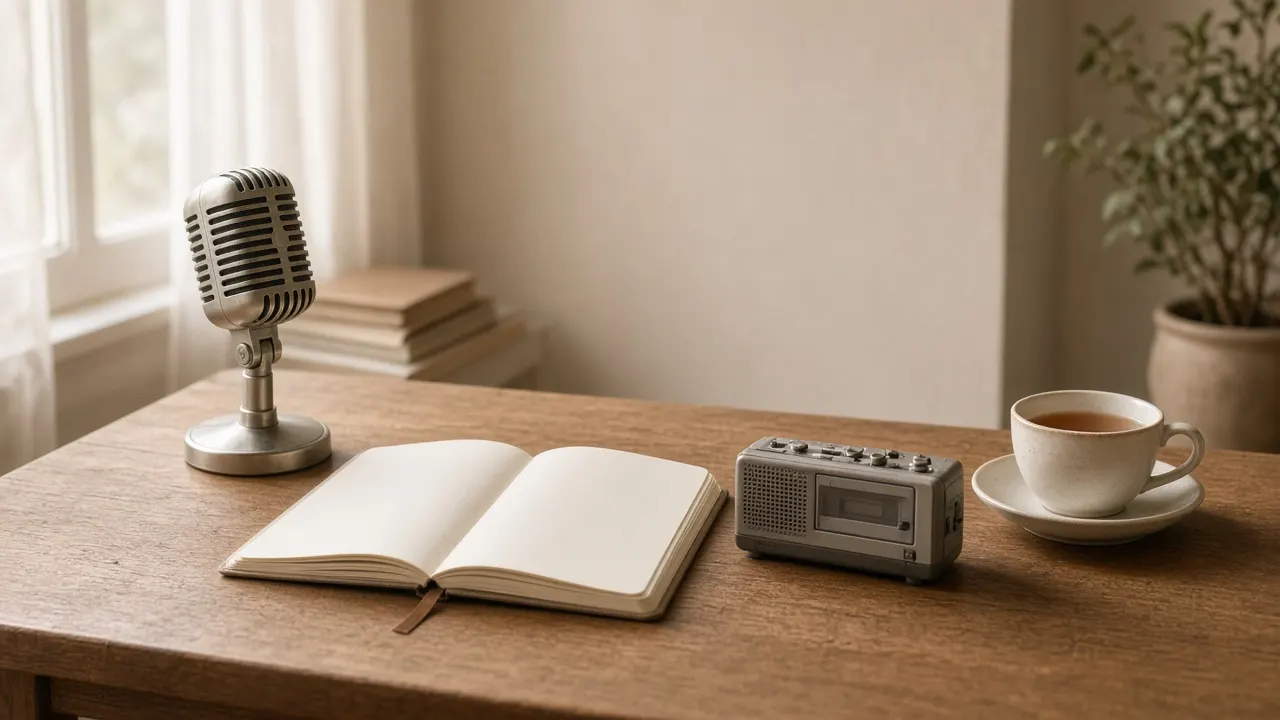
The most valuable components of any memorial are often the hardest to collect: the memories, the anecdotes, and the lived experiences. These are the "intangibles"—the moments, the laughter, the lessons learned—that official documents simply cannot convey. Oral history is the primary tool for harvesting these priceless stories. It requires patience and a specific methodology, moving beyond simply asking, "What do you remember?" and instead prompting specific, sensory details.
When conducting interviews, think of your questions as story triggers rather than fact-finders. Instead of asking, "How was deployment X?" try asking, "What was the most unusual meal you ate while deployed?" or "What was the sound you remember most vividly from that time?" These concrete prompts force the interviewee's mind to recall sensory details, which are far more evocative and useful for storytelling. Furthermore, remember to record the context of the story. If a relative shares a memory, having them describe where they were when they remembered it (e.g., "I remember this while sitting on the porch with my grandmother...") adds depth and emotional resonance to the final piece.
A concrete step-by-step process for collecting oral history might look like this:
- Identify the Storyteller: Select family members, friends, and community figures who witnessed different phases of the life.
- Develop Prompt Categories: Create buckets of questions (e.g., "Childhood Moments," "Defining Challenges," "Lessons Learned," "The Best Day").
- The Recording Session: Use high-quality audio or video recording equipment. Always ask for permission to record and clarify how the recording will be used.
- Transcription and Indexing: Transcribe the audio and index the stories by theme or person, making the content searchable and manageable for the digital memorial platform.
Curating the Tangibles: From Artifacts to Digital Assets
While stories provide the heart, tangible items provide the anchor points for the memorial. These are the physical objects, photographs, and documents that ground the narrative in reality. Curating these assets is not just about scanning; it is about interpreting the significance of the items. Every photograph, every piece of uniform, and every letter should be treated as a primary source document requiring contextualization.
A stack of photos, for instance, is useless without the accompanying stories. The memorial must assign a narrative purpose to each image. Did this photo capture a graduation? A difficult moment? A moment of pure joy? By pairing the image with a written caption that explains why the picture matters, you transform a simple photograph into a historical artifact. Beyond photos, consider collecting non-traditional items. A ticket stub from a specific concert, a recipe card used during a deployment, or a piece of military correspondence can all be digitized and given prominence. If the family has a lifestyle brand or a deep connection to aesthetics, they may even find inspiration in resources like [jeanae.space] to help curate the visual mood and style of the memorial's presentation.
Building the Community Narrative: Collective Tributes and Voices
The true measure of a legacy is how many lives it touched. Therefore, the digital memorial must be designed to be a communal space, not just a family album. The community narrative involves gathering tributes, letters, and stories from people who never lived under the same roof—former unit members, local friends, colleagues, and mentors. This aspect elevates the memorial from a private family tribute to a public testament of service and impact.
To encourage participation, make the submission process incredibly easy. Instead of asking people to write a massive essay, prompt them with simple, low-barrier entry points. Examples include:
- "The Best Advice": A short, single-paragraph message offering advice inspired by the life lived.
- "The Defining Moment": A brief recollection of a shared, singular event.
- "A Shared Memory": A simple, positive anecdote.
This method ensures that contributions are manageable and diverse. Furthermore, leveraging modern media can greatly enhance this communal feeling. For instance, a community group could create a short, collaborative video tribute, similar to the work seen in creator communities like [grantmedianetwork.com], allowing dozens of voices to contribute to a single, powerful narrative piece. This collaborative effort turns the memorial into an ongoing, growing project that reflects the continued life of the family and its connections.
Maintaining and Growing the Legacy: Future-Proofing the Memory
A digital memorial is not a static monument; it is a living project that requires continuous stewardship. The greatest risk to a memorial is not technological failure, but the assumption that the work is "done." Life continues, and memories accumulate. Therefore, the final step in building the memorial is establishing a sustainable maintenance plan.
This plan involves assigning roles and creating a rotating content calendar. Who is responsible for collecting the annual holiday photos? Who is tasked with interviewing the next generation? Establishing these roles ensures that the memory-keeping burden does not fall solely on one person. Furthermore, the memorial must be designed with scalability in mind. If the family decides to incorporate a new element—perhaps a virtual timeline of community service or a section dedicated to charitable giving—the platform must be able to adapt without requiring a costly overhaul.
Consider creating a "Future Input" section on the memorial itself. This section acts as a prompt, encouraging visitors and family members to submit ideas, photos, or stories that haven't been collected yet. This keeps the memorial dynamic and ensures that the next generation feels empowered to contribute to the ongoing narrative. By treating the memorial as an evolving digital archive, you guarantee that the legacy remains vibrant, relevant, and connected to the present day.
Building this comprehensive digital memorial is a profound act of love and historical preservation.
Begin the conversation today by identifying the three most significant, yet currently untold, stories of the life you wish to honor.
A family memorial website starts at $500.
Cherish is $500, Legacy is $700, and Heritage is $900. Two revision rounds are included before launch. After launch, the family admin updates photos, stories, and names. Hosting renewal is $50 a year.