Preserving Family Recipes
Moving Beyond the Recipe Card: Shifting from Instructions to Inheritance
The first time you find a beloved family recipe—perhaps handwritten on brittle parchment or tucked into a worn, floral-patterned cookbook—it often feels like finding a treasure map. You meticulously transcribe the measurements, the steps, and the ingredients, believing that the physical act of writing down the recipe is the most important part of the process. While documentation is necessary, relying solely on a written recipe card is like capturing a single photograph of a complex, multi-sensory event. It misses the context, the warmth, the specific feeling of the kitchen that made the dish special. To truly cherish a memory associated with food, you must shift your focus from the recipe itself to the ritual surrounding the recipe.
The goal of creating a culinary archive is not to create a perfect, immutable document, but rather a living narrative—a record that captures the emotional resonance and the practical nuances that only oral tradition can provide. Think of it less as a cookbook and more as a memoir structured around meals. This requires asking deeper questions than "How much salt?" Instead, you need to ask, "What did Grandma do when she didn't have enough salt, and what did that lack of salt taste like?" By shifting your mindset, you transform the act of documenting from a chore of transcription into an act of excavation, digging up the stories, the family quirks, and the cultural touchstones that give the dish its unique soul.
Capturing the Sensory Details: The Tools and Textures of Memory
A recipe is composed of more than just ingredients; it is a collection of sensory data points. The specific weight of a wooden spoon, the way a certain cast-iron skillet smells when it warms up, the distinct thwack of a rolling pin against a marble counter—these elements are often the most powerful triggers for memory, yet they are the easiest to forget. To build a rich archive, you must become a dedicated sensory collector. This means documenting the physical objects and the sensory atmosphere of the cooking process.
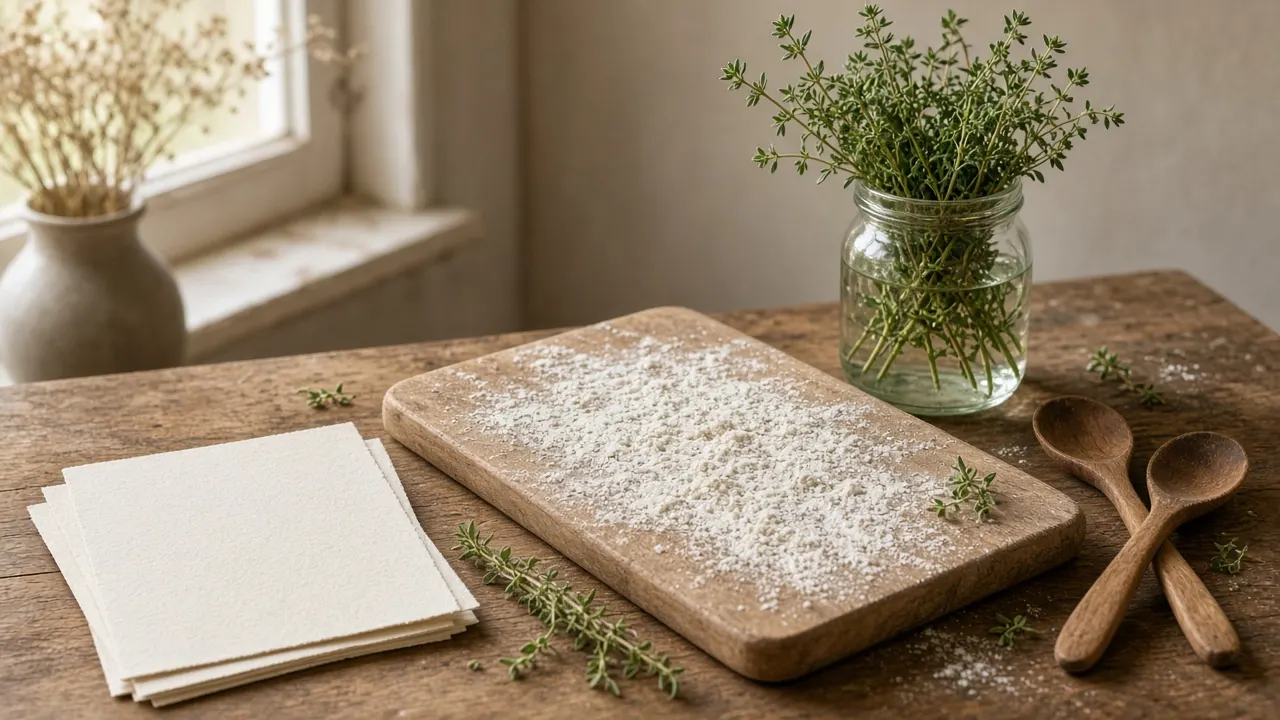
When documenting a dish, do not simply list "baking." Instead, dedicate a section to the equipment. For example, if the family makes cornbread, don't just write "bake in pan." Describe the pan: "Grandma's grimy, well-seasoned cast iron skillet, which always seemed to hold the heat perfectly, giving the edges a deep, smoky crust." Include details about the tools: "The specific, chipped ceramic bowl where the wet ingredients were mixed, which always left a faint, earthy scent." By linking the dish to the objects, you anchor the memory in the tangible world, allowing future generations to not only read about the experience but to almost feel it.
Documenting the Narrative: The Who, When, and Why
The most valuable component of any culinary archive is the narrative—the stories attached to the food. A dish is rarely just sustenance; it is the centerpiece of an event, a marker of a season, or a celebration of a life milestone. To truly cherish a memory, you must capture the context. Who was present when the dish was made? What was happening in the world at that time? Why was this specific meal prepared on this specific date?
Consider the story of a holiday pot roast. Writing the ingredients is simple. Documenting the pot roast requires telling the story of Thanksgiving at Grandma’s house—the sound of the gravy boat being poured, the arguments over who got the last piece of potato, and the specific conversation that took place while the roast was resting. These details are the emotional scaffolding of the memory. If the recipe was passed down during a difficult time, documenting the resilience and comfort the meal provided adds layers of meaning that no measurement can replicate.
The Kinesthetic Archive: Recording the Process, Not Just the Product
Many people assume that writing down the steps is sufficient, but the true magic of culinary tradition often lies in the doing—the physical, practiced movements. This is the kinesthetic archive, and it is perhaps the hardest element to document. It encompasses the rhythm, the feel, and the timing that comes only from years of practice.
To capture this, you must move beyond simple bullet points. Instead of writing, "Fold in the whipped cream gently," try describing the motion: "Fold the cream in using a quarter-turn wrist action, moving from the center outward in slow, deliberate spirals, ensuring you don't deflate the air pockets." You are documenting the technique and the feel. For instance, if the recipe requires kneading dough, don't just say "Knead until smooth." Instead, note: "Knead with a firm, consistent pressure, using the heel of your hand, counting three minutes of rhythmic work until the dough bounces back slowly, like a sleeping spring."
This detailed process documentation is invaluable. It allows the person learning the dish to understand not just what to do, but how to feel while doing it—the perfect resistance of the dough, the precise moment the sauce thickens, or the ideal angle for slicing vegetables. If you are finding that the complexity of gathering these narratives and physical details feels overwhelming, knowing that professional services can help organize and curate these precious records, such as those offered through https://justlivingmemories.com/packages, can take the pressure off and ensure the memories are preserved properly.
Building a Living Legacy: Sharing and Preservation
A culinary archive is not meant to be a static museum piece; it is a living legacy, designed to be used, revisited, and adapted by future generations. The final step in the process of cherishing a memory is to ensure its continuity. This requires thoughtful planning for sharing.
When you finally compile your archive, consider presenting it not as a single book, but as a multi-media experience. Pair the written narrative with accompanying photographs (of the tools, the family members, the finished meal), audio recordings (of the original storyteller recounting the story), and perhaps even short video clips demonstrating the complex techniques. This multi-layered approach ensures that the memory can be accessed through sight, sound, touch, and taste, making the experience richer and more complete.
Furthermore, remember that the archive should also be a place for adaptation. As time passes, ingredients become unavailable, or tastes change. The archive must be flexible enough to allow for modern substitutions while still respecting the original spirit. If the original recipe called for a specific, rare spice, you can note the substitution ("Original: Aleppo Pepper; Modern Alternative: Smoked Paprika, used sparingly"). This acknowledgment of change keeps the tradition alive and relevant, rather than trapping it in the amber of perfect nostalgia.
Creating this comprehensive culinary archive is a deeply rewarding act of love. It transforms a simple list of ingredients into a powerful, multi-sensory chronicle of family identity and enduring connection.
A family memorial website starts at $500.
Cherish is $500, Legacy is $700, and Heritage is $900. Two revision rounds are included before launch. After launch, the family admin updates photos, stories, and names. Hosting renewal is $50 a year.