Living Memorials for Pets

Understanding the Depth of Loss: Shifting from Grief to Celebration
When a beloved animal companion crosses the rainbow bridge, the grief is profound, often feeling like a physical void. It is a unique form of loss that touches every part of our identity because these animals were not just pets; they were integral members of our family, our confidantes, and our greatest sources of unconditional joy. Many memorialization efforts tend to focus on the permanence of the loss—a simple photo frame, a paw print, or a plaque bearing a name and dates. While these tributes are meaningful, they often serve as reminders of what is gone, keeping the focus solely on the absence.
A truly enriching memorial, however, is designed not just to remember the pet, but to celebrate the life lived. The goal is to create a tangible, interactive tribute that acts as a source of comfort and joy, allowing the family to engage with the pet's spirit and personality rather than just the reality of the empty space. This shift in perspective—from mourning the ending to celebrating the fullness of the life—is the most difficult but most rewarding part of the journey. To start this process today, take a few minutes to write down the pet’s funniest quirk, the sound of its happy sigh, or the specific routine it always performed. These small, vivid details are the building blocks of a truly living memorial.
Curating the Narrative: Moving Beyond the Photo Album
The most common way we try to memorialize a pet is through visual evidence: stacks of photos, video compilations, and framed portraits. These are wonderful keepsakes, but they are static. A living memorial, by contrast, is dynamic; it tells a story that can be revisited, interacted with, and even updated as the family grows. The key is to transition from mere documentation to curated narrative.
The Power of Sensory Detail
When we talk about a "living" memorial, we are appealing to all five senses. It’s not enough to just see the pet; we want to hear its bark, smell the cozy scent of its favorite blanket, and feel the weight of its head resting in your lap. To begin, gather physical items that hold sensory memory: the collar, the favorite chew toy, a specific blanket, or even a handwritten list of the sounds the pet made. These objects are anchors to specific memories and are essential components of a multi-sensory tribute.
Concrete Example: Instead of simply framing a picture of your Golden Retriever, Gus, on a sunny day, you could collect the actual, slightly worn tennis ball he always played with, pair it with a recording of his joyful bark (captured from a video), and display it alongside a handwritten "Gus's Favorite Spots" map. This combination of object, sound, and location turns a simple photo into an interactive memory corner.
The Art of the Interactive Tribute: Engaging the Senses
A truly comprehensive living memorial incorporates elements that require active participation from the family. This transforms the tribute from a viewing experience into a continuous, comforting ritual. These elements can range from physical installations to digital storytelling, ensuring that the memory remains vibrant and alive.
Integrating Sound and Storytelling
One of the most powerful, yet often overlooked, elements of memorialization is sound. The specific sounds a pet made—the rhythmic snore, the excited chirp, the particular meow—are incredibly evocative. Capturing these sounds and weaving them into a narrative piece can be profoundly healing. Consider creating a personalized, audio-guided journey through the pet's life.
For instance, if you have a cat named Luna who was particularly dramatic, you could commission a piece of audio fiction that narrates her "daily routine" as if she were the main character. This narrative structure allows the family to laugh, to reflect, and to feel her personality shine through the words and the soundscape. This level of detailed, emotional storytelling is something that requires specialized care, and for families seeking this depth of remembrance, services like Loreburst.com offer incredible resources for immersive, customized storytelling experiences.
Crafting the Physical Space: Designing the Memory Corner
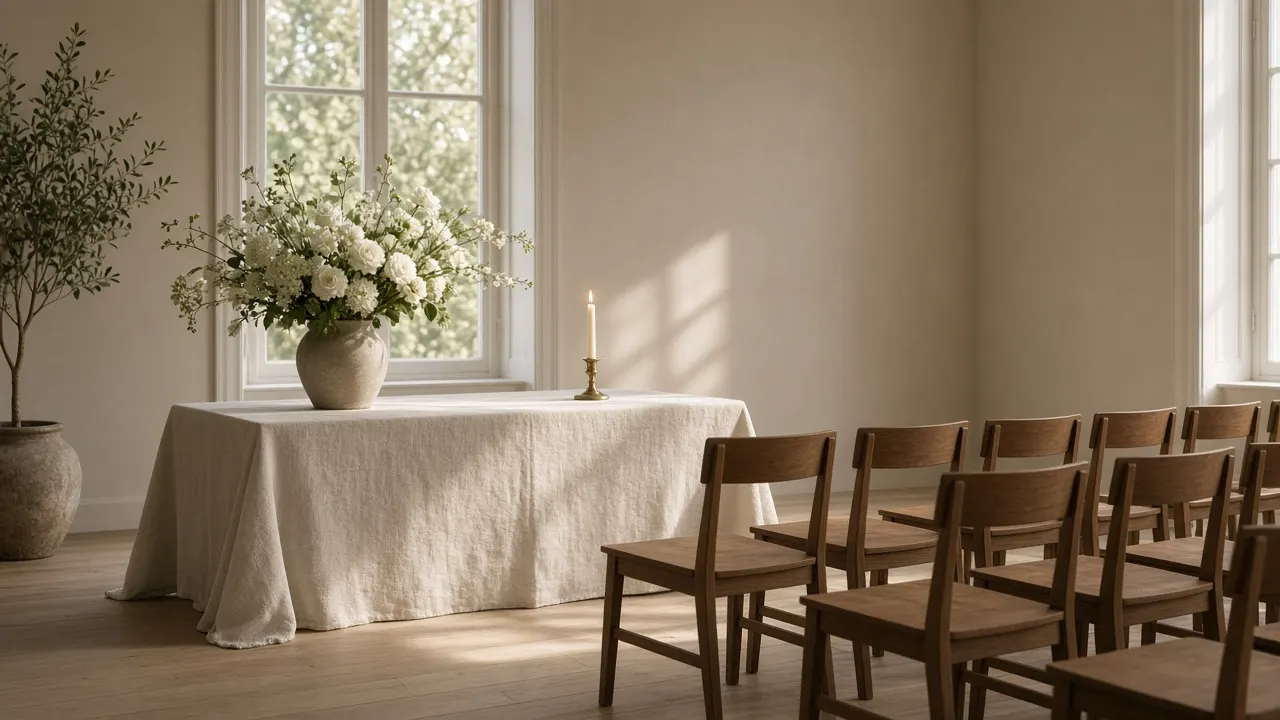
The physical placement of the memorial is just as important as its contents. The memorial space should not feel like a museum of sadness, but rather a cozy, personalized sanctuary—a place of warmth and reflection. Think about how the pet would have liked to settle down: was it in a sunbeam, curled up on the sofa, or in a specific armchair? Replicating that atmosphere is key.
Layering Meaningful Elements
When designing the space, think in layers:
- The Core: The central piece (e.g., a dedicated shelf, a corner of a room).
- The Tangible: Physical objects (blankets, toys, artwork).
- The Intangible: Media and narrative (audio recordings, written memories, storybooks).
For a family with a small dog, Barnaby, who loved to nap in the sun, the memory corner might be arranged to mimic a sunbeam-drenched nook. You could place a cushion similar to the one he loved, display photos taken in that spot, and include a small, framed piece of artwork depicting the sunbeam itself. The focus is on recreating the feeling of the space, not just the items.
The Long-Term Care of Memory: Keeping the Tribute Alive
A living memorial is not a one-time project; it is a practice in remembrance. Grief does not have an expiration date, and neither should the celebration of the pet's life. The greatest challenge is preventing the memorial from becoming a source of sadness, and instead keeping it a source of comfort and joy.
Ritualizing Remembrance
To keep the memorial "living," you must incorporate rituals. These rituals provide predictable, comforting anchors for the family to return to. Some ideas for rituals include:
- The Memory Jar: Having a designated jar where family members can write down a happy memory about the pet each week. On specific anniversaries, the family reads them aloud.
- The "Story Day": Designating a specific day each month to share a story or look at a specific collection of photos, keeping the focus on a single, positive memory.
- The Annual Project: Committing to one annual activity, such as planting a specific type of flower (the pet's favorite color) or making a specific type of treat in the pet's honor.
When considering the scope and complexity of these multi-sensory, enduring tributes, professional guidance can be invaluable. A comprehensive approach to memorialization, like those offered through dedicated memorial services, can help coordinate these many moving parts into a cohesive, beautiful whole. Reviewing the diverse options available, such as those detailed at https://justlivingmemories.com/packages, can help map out a plan that fits your family's unique needs and emotional capacity.
Supporting the Family: Integrating Memorialization with Life
The process of building a living memorial is an act of healing that must integrate with the family's current life. It should not feel like an obligation or a detour from living. The memorial should ultimately become a source of strength that helps the family move forward while honoring the past.
Connecting the Past to the Present
A successful memorial helps the family understand that the love shared with the pet is not something that was contained within the pet's life, but something that was transferred to the family. The joy, the lessons in unconditional love, and the laughter—these things remain with the family, forever. The memorial simply acts as a beautiful physical reminder of the source of that joy.
For example, if a family realizes that their pet taught them the importance of routine and daily walks, they might integrate that routine into their own lives, perhaps adopting a new ritual like a daily "story time" that mimics the pet's favorite time of day. The pet’s memory thus becomes a positive force that influences daily life.
Creating a lasting, interactive tribute that celebrates the pet's unique spirit is a deeply personal journey that requires time, care, and professional support. Begin by gathering the smallest, most vivid memories today.
A family memorial website starts at $500.
Cherish is $500, Legacy is $700, and Heritage is $900. Two revision rounds are included before launch. After launch, the family admin updates photos, stories, and names. Hosting renewal is $50 a year.