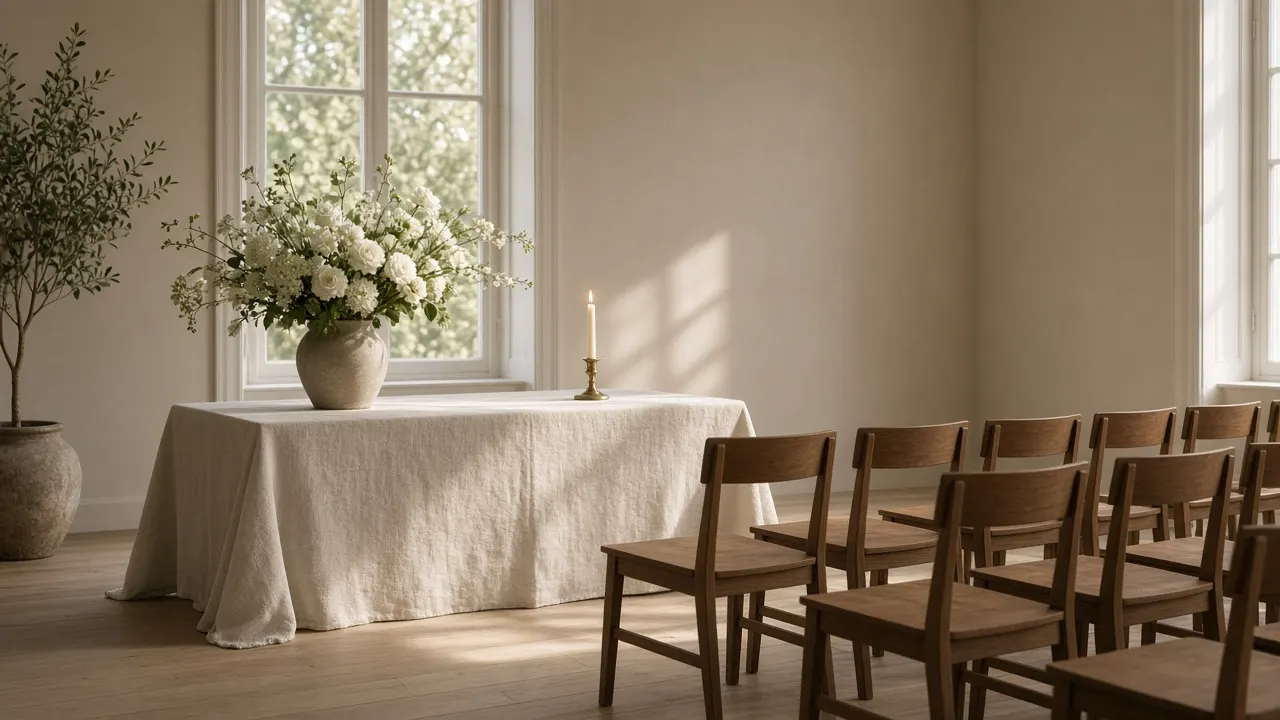
Peaceful Funeral Services

Rethinking the Ritual: Taking the First Steps Toward Compassionate Planning
The very act of planning for a funeral or memorial is emotionally draining. It forces us to confront the reality of loss, and the logistics—the paperwork, the vendors, the choices—can feel overwhelming, adding a layer of stress to an already difficult time. Before you even consider specific services, the most actionable step you can take today is to shift your mindset from "checklist completion" to "defining meaning." Instead of asking, "What services do I need to book?" ask, "What memories do I want to honor?" This subtle but profound shift allows the planning process to become an act of love and remembrance, rather than a series of contractual obligations.
This initial reframing is crucial because modern memorialization is rarely about adherence to tradition for tradition's sake. It is about creating a deeply personal narrative that speaks directly to the life lived. For example, if a loved one was passionate about gardening, the planning process can pivot away from a traditional formal service and focus instead on a beautiful, living tribute—a memorial garden or a ceremony held among blooming flowers. By prioritizing the meaning over the mandate, you transform a stressful logistical hurdle into a creative opportunity to celebrate a life well-lived.
Understanding Modern Service Models: Beyond the Traditional Obituary
When people search for peaceful funeral services, they are often seeking a model that feels authentic and comforting. The good news is that the industry has evolved significantly, offering a spectrum of choices that cater to diverse beliefs, budgets, and personalities. Recognizing the different service models available is the first step toward finding clarity and comfort.
The Spectrum of Remembrance
Services generally fall along a spectrum, ranging from highly traditional and religious rites to deeply secular and natural celebrations. Understanding these models helps eliminate the fear of choosing "wrongly."
- Traditional Funeral Services: These often follow established religious or cultural rites, providing a structured, familiar framework that many people find deeply comforting. They emphasize formalized rituals and adherence to established customs.
- Celebration of Life Services: This model is highly popular because it is inherently customizable. Instead of focusing solely on the passing, the emphasis is placed entirely on the person's life, achievements, and impact. These services can incorporate storytelling, multimedia presentations, and personal anecdotes.
- Natural and Green Burial Options: For those seeking a less conventional, more environmentally conscious approach, these services minimize physical intervention. They may involve scattering ashes in a natural setting or using biodegradable materials, aligning the memorial with nature's cycle.
- Intimate Memorial Gatherings: Sometimes, the grand scale of a large service is overwhelming. These gatherings focus on a smaller, more contained group of close family and friends, allowing for deep, uninterrupted moments of shared grief and connection.
Consider the difference between a service designed to process grief (traditional) and one designed to celebrate a life (celebration of life). A concrete example is choosing between a memorial service held in a quiet church setting versus one held at a local community park, decorated with the deceased’s favorite colors and featuring a playlist of their favorite music. Both are valid, but they create entirely different emotional atmospheres.
Navigating the Emotional Landscape: Supporting Yourself During Planning
The emotional weight of planning is often underestimated. You are not just coordinating logistics; you are absorbing the grief of others while simultaneously making monumental decisions. Therefore, the planning process must include a dedicated focus on caregiver self-care.
Building Your Support Team
Do not attempt this process alone. A successful plan requires a support structure that includes more than just family members.
- Designating a Lead Coordinator: If multiple family members are involved, assign one person (or a small committee) to be the primary point of contact with vendors. This prevents conflicting instructions and keeps the overall process streamlined.
- Establishing a Communication Hub: Use a shared digital document (like a cloud spreadsheet) to track vendor contacts, quotes, decisions made, and remaining tasks. This single source of truth prevents confusion and missed deadlines.
- Scheduling Emotional Breaks: Treat planning sessions like appointments that require breaks. After every hour of decision-making, take a mandated 15-minute break to walk outside, breathe, or simply sit in silence.
A helpful tactic is to write down your anxieties and concerns in a "Worry List." Once written, you can categorize them into "Actionable" (e.g., "I need to call three florists") and "Uncontrollable" (e.g., "Will everyone grieve the same way?"). By separating the two lists, you gain immediate clarity and focus only on what you can actually control.
The Practical Logistics: Making the Decisions Without the Dread
Once the emotional foundation is set, the next step is tackling the practical details. This requires diligence, but approach it as a project manager rather than a grieving relative. Breaking the logistics into manageable phases minimizes the sense of being overwhelmed.
Step-by-Step Planning Checklist
Focus on these core areas in sequence:
- Determine Scope and Budget: Before calling any vendor, establish a realistic budget range. This dictates the scope—will it be a small gathering or a large event?
- Identify the Core Message: What is the single, most important message you want the service to convey? (e.g., "A life of adventure," "A life of quiet devotion," "A life of service.") This message guides every choice, from music to floral arrangements.
- Select the Venue: The venue must match the message. A library might be perfect for someone who loved books; a waterfront park might suit an avid sailor.
- Engage Vendors Thoughtfully: Approach florists, caterers, and memorial artists not just as service providers, but as creative partners who can help bring your narrative to life.
A practical example is focusing on the "program." Instead of simply listing names and dates, the program can be structured around themes: "The Years of Learning," "The Years of Adventure," and "The Years of Love." This thematic approach gives the service a narrative flow, making it feel cohesive and purposeful.
Crafting Meaningful Tributes: The Art of Storytelling
The most enduring part of any memorial is the story. A service that feels genuinely peaceful and comforting is one that moves beyond simple recitation of facts and instead weaves a rich, emotional tapestry of memories. This requires active storytelling and thoughtful curation.
Techniques for Honoring a Life
The "Three Words" Prompt: Ask family members to share three words that best describe the person. These words can then be grouped into themes (e.g., Laughter, Resilience, Kindness*) and used as anchors for readings or tribute sections.
- Incorporating Media: Modern technology allows for incredibly rich tributes. This might include a slideshow of photos set to music, a short video montage of family members sharing quick, heartfelt memories, or even displaying physical objects that held significance (a favorite hat, a worn book, etc.).
- The Memory Jar: This is a simple, powerful activity. Guests are provided with cards and pens and are asked to write down a favorite, specific memory of the person. These are collected into a jar, which can then be read aloud or given to the family to read later.
When coordinating these elements, professional guidance is invaluable. For instance, one family found that organizing their multimedia tributes with expert help ensured the emotional weight of the photos was balanced by the narrative structure, resulting in a deeply moving and cohesive ceremony. You can explore resources like those found at https://justlivingmemories.com/ to help guide this creative process.
Finalizing the Experience: The Day of Remembrance
The day itself should feel like a natural culmination of the thoughtful planning, not a frantic rush. Preparation on the day of the service is about maintaining grace and allowing the focus to remain on remembrance, not performance.
Pre-Service Checklist for Peace of Mind
- The Time Buffer: Arrive at the venue at least 60 to 90 minutes early. This buffer time is critical for the coordinator to make final adjustments, set up the music, and take a few deep breaths before the first guest arrives.
- Designated Roles: On the day, assign specific, non-emotional roles to trusted friends or family members (e.g., one person manages the program flow, one person manages the receiving line, one person manages the music). This distributes the organizational load.
- Embracing Imperfection: Understand that things will not go perfectly. The music might skip, a tear might be shed at an unexpected moment, or the weather might change. These moments of imperfection are often what make the service feel most real and most human.
The ultimate goal of planning for peaceful funeral services is not to eliminate grief—because grief is a testament to a life well-loved—but to create a container for it. A beautifully planned service provides structure, allowing the raw emotion to be safely expressed and shared.
Remember that planning for remembrance is an act of profound love.
When you feel ready, take the first step by having a conversation about your wishes.
A family memorial website starts at $500.
Cherish is $500, Legacy is $700, and Heritage is $900. Two revision rounds are included before launch. After launch, the family admin updates photos, stories, and names. Hosting renewal is $50 a year.